

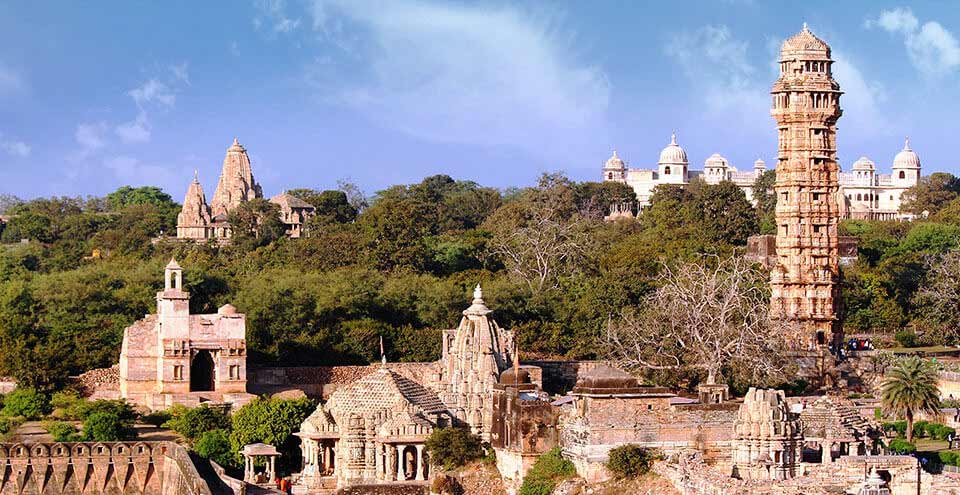
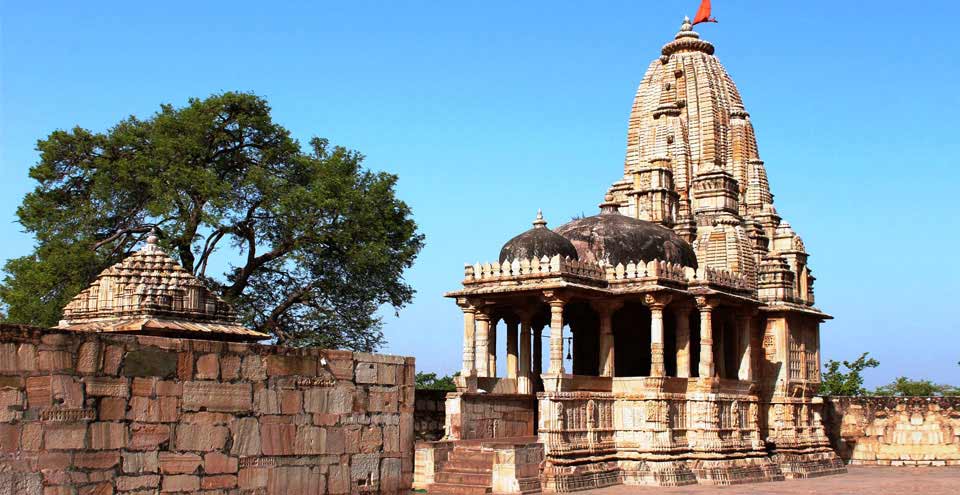
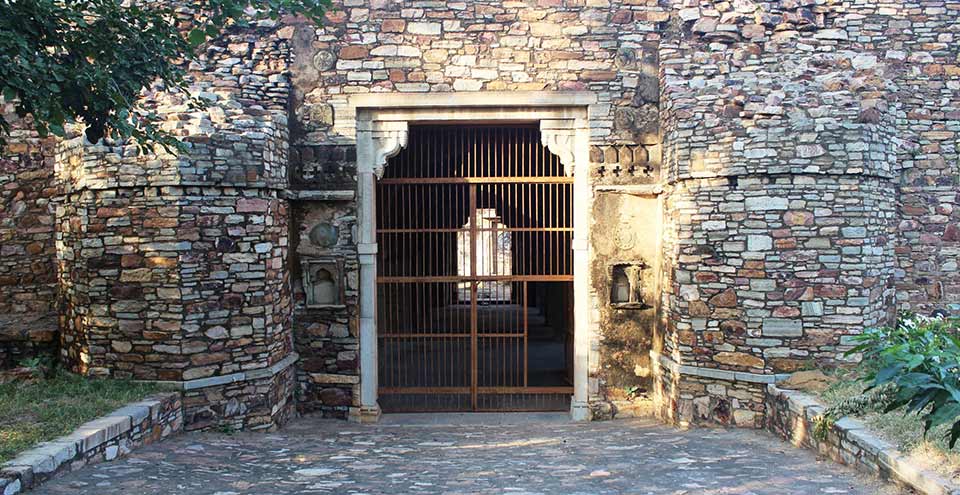
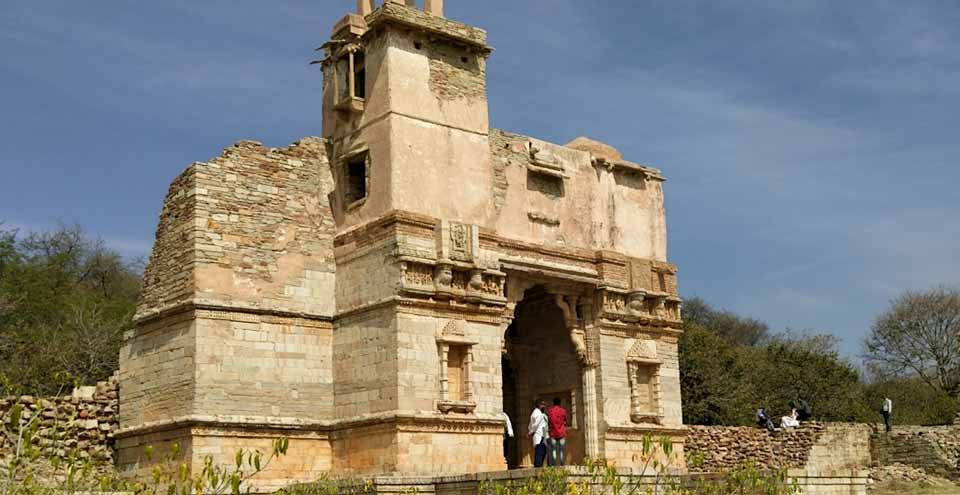
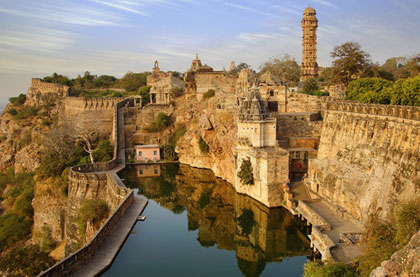
Jauhar Sthal, also known as Jauhar Place, is a historic site located within the magnificent Chittorgarh Fort in Rajasthan. The site is associated with the three major episodes of jauhar traditionally remembered in Chittorgarh, which took place during periods of siege in 1303, 1535 and 1568.
The documented heritage record identifies Jauhar Sthal as a historical structure situated near Simdheshwar Mahadev Temple inside the fort. It stands on an elevated platform and contains decorated historic walls, although parts of its superstructure have fallen over time.
The first jauhar is traditionally associated with the 1303 siege of Chittorgarh and the story of Rani Padmini. However, details surrounding Padmini and the mirror episode belong largely to later literary and historical traditions and should be distinguished from the independently documented siege itself.
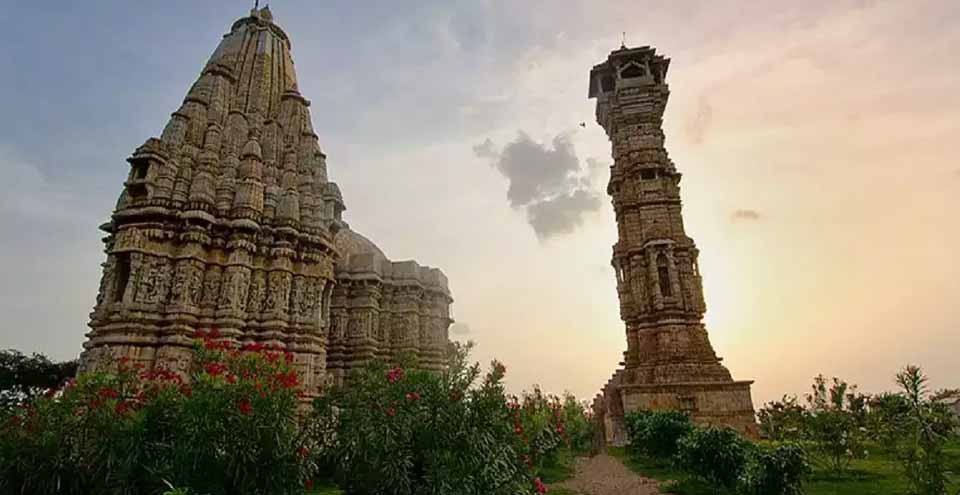
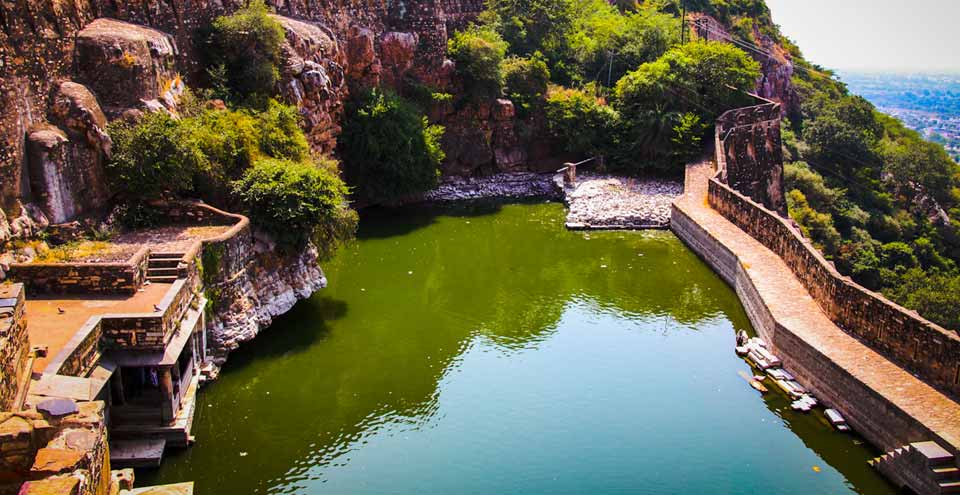
Visitors exploring Jauhar Sthal can also discover other important monuments of Chittorgarh Fort, including Rani Padmini's Palace, Rana Kumbha Palace, Vijay Stambha, Kirti Stambha, Meera Temple and Gaumukh Reservoir. Rajasthan Tourism describes the fort as a major symbol of the region's history and heritage.
For travellers interested in Rajasthan's medieval history, Jauhar Place provides an opportunity to understand the difficult periods of siege and the traditions that developed around Chittorgarh's past. It is best visited as part of a broader Chittorgarh Fort tour rather than as an isolated attraction.
Monuments in Chittorgarh resonates with stories of Rajputana bravery, pride and passion. The bards of Rajasthan sing tales of courage and sacrifice recounting stories that are known to every child and adult in the city. Chittorgarh is named after its most imposing structure, the Chittorgarh Fort which stands atop a 180 metre high hill and is spread across 700 acres. Chittorgarh Fort has had a tumultuous past. This bastion of the Rajputs has faced violent attacks thrice in its entire history. The first was in 1303 when the Sultan of Delhi, Ala-ud-din Khilji, who was enamoured by Queen Padmini, launched an attack to abduct her. More than two centuries later, in 1533, it was Bahadur Shah, the Sultan of Gujarat, who caused immense destruction. Four decades later, in 1568, Mughal Emperor Akbar attacked and seized the fort. It was finally in 1616, under the rule of Mughal Emperor Jahangir that the fort was returned to the Rajputs.
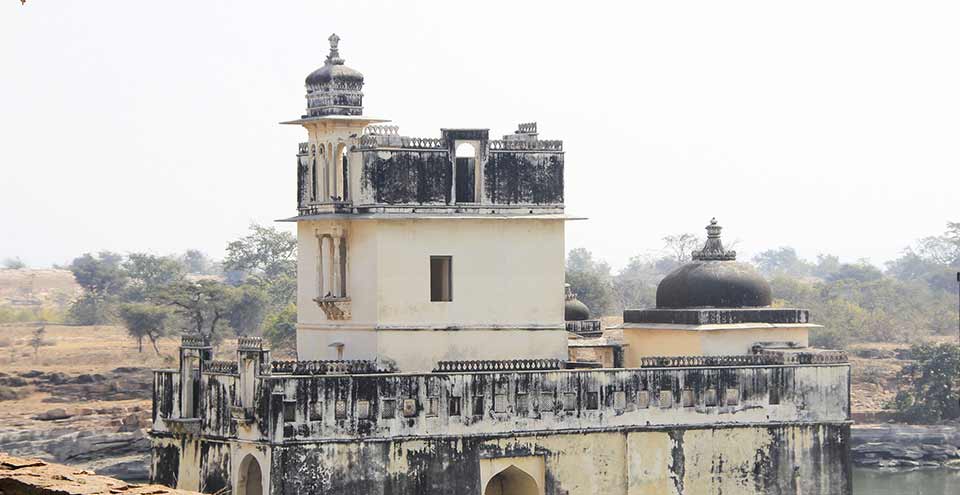
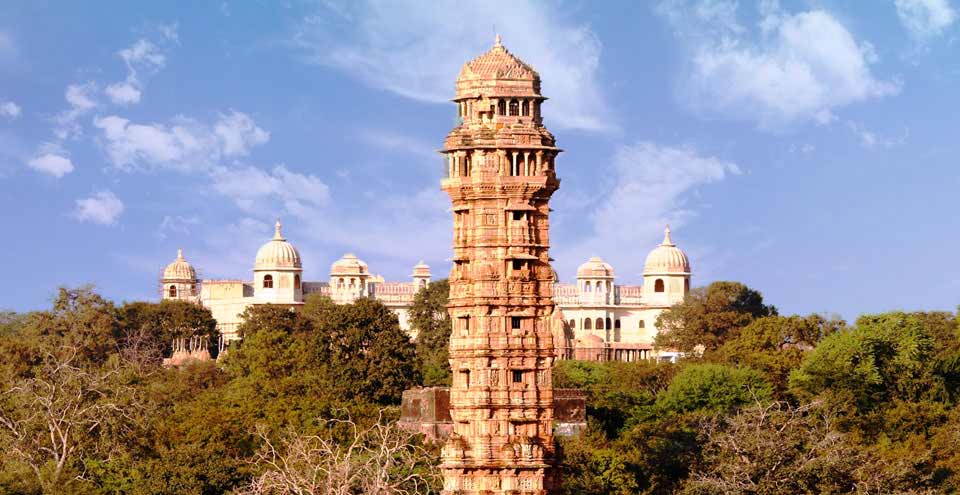
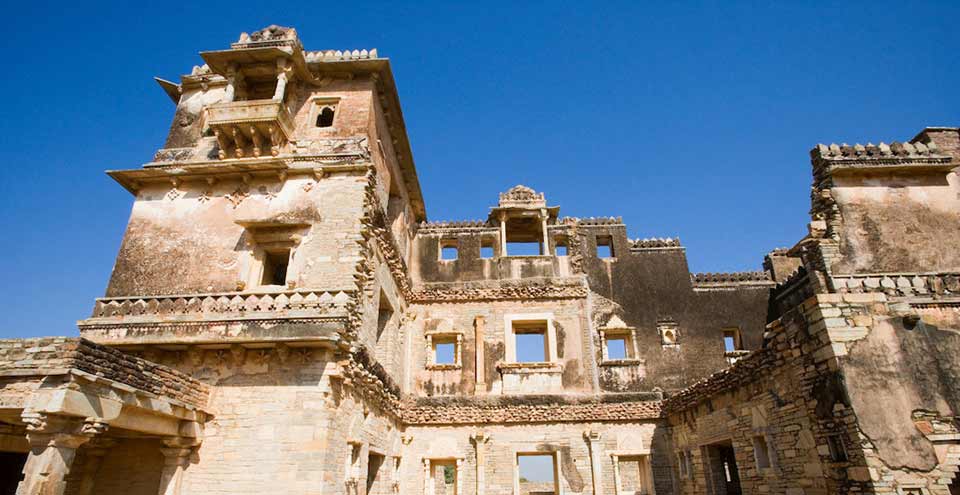
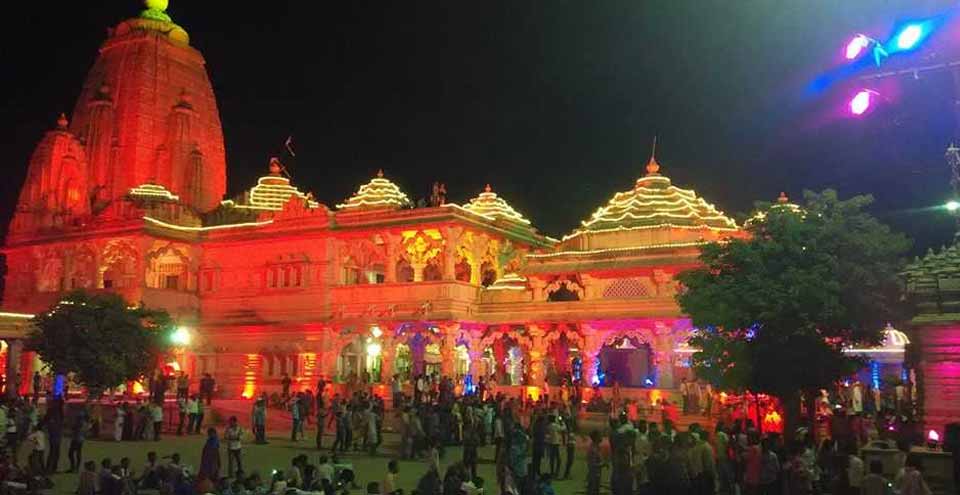
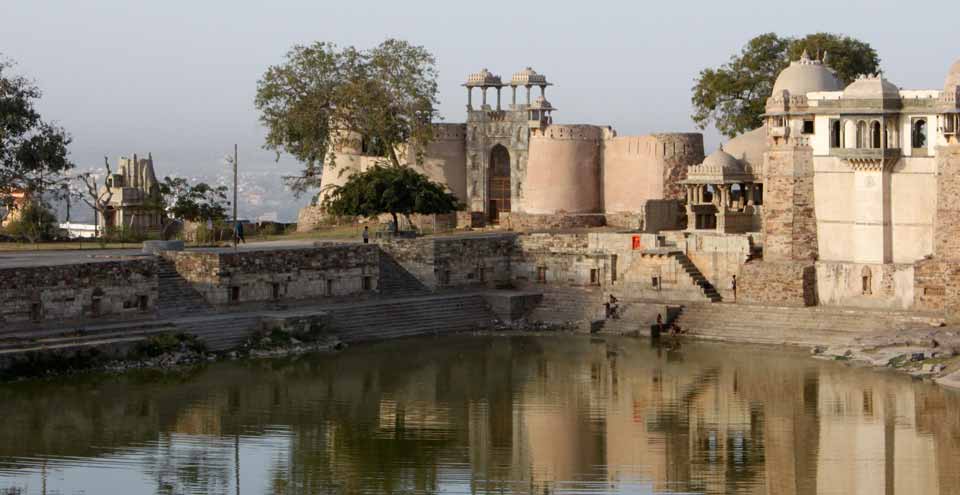
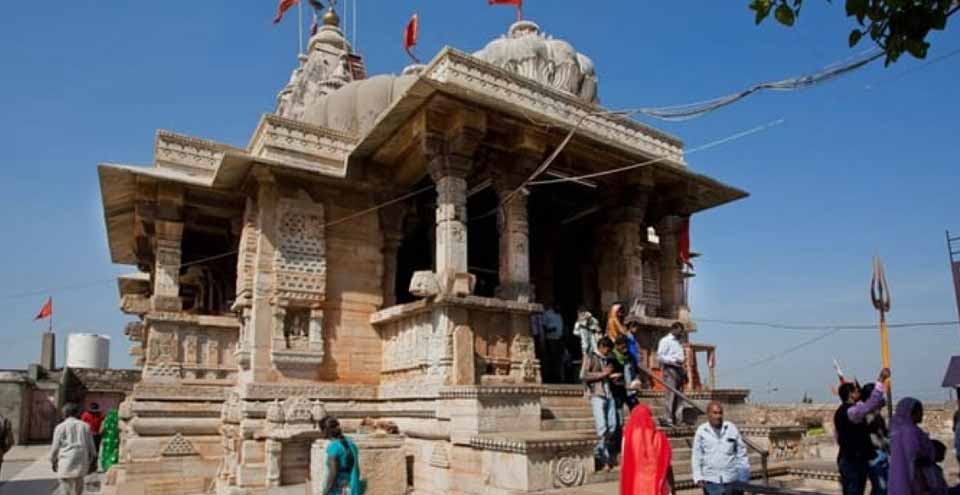
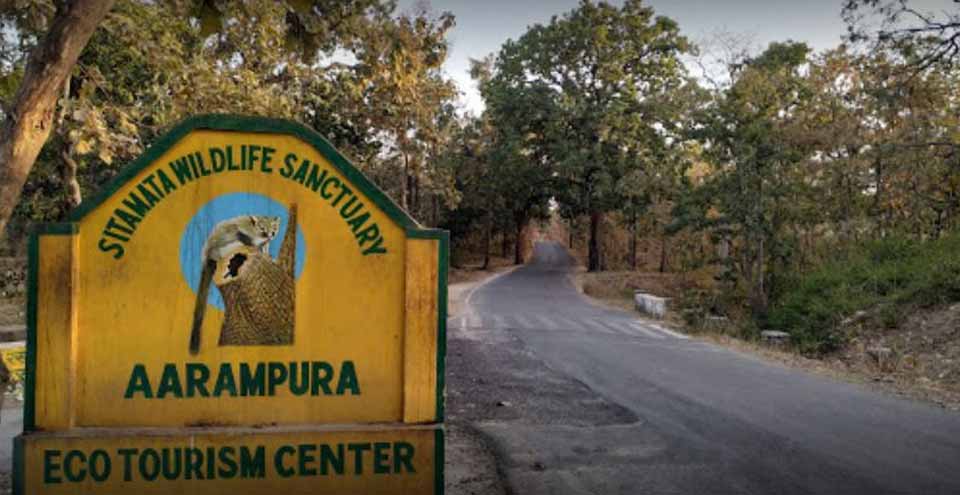
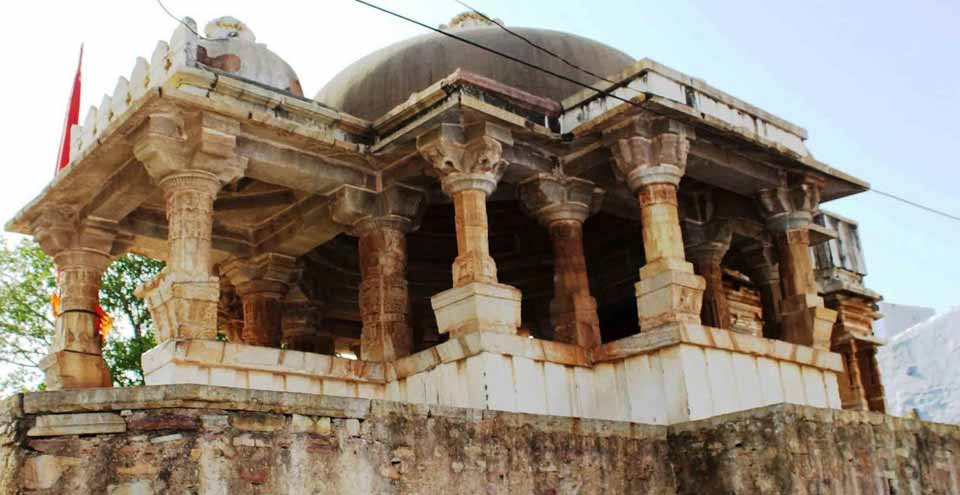
Chittorgarh is known for a number of forts and palaces with historical significance. Chittorgarh tour packages are in great demand as large numbers of tourists wish to explore of a number of attractions in the city. These tour packages comfortably take the tourists to a number of famous places in town.
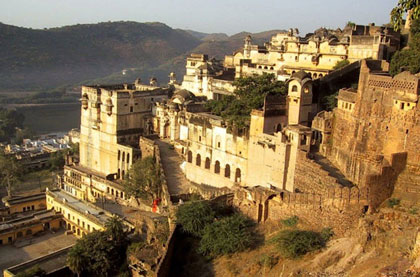
Duration : 04 Nights / 05 Days
Destination Covered : Kota - Bundi - Chittorgarh

Duration : 04 Nights / 05 Days
Destination Covered : Jaipur - Ranthambore - Chittorgarh - Udaipur
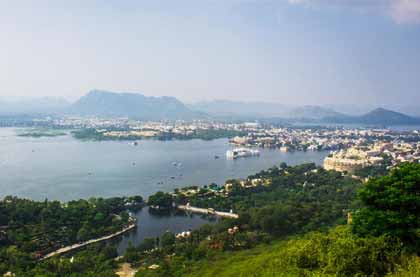
Duration : 04 Nights / 05 Days
Destination : Ranthambhore, Bundi, Chittorgarh, Udaipur, Ranakpur, Jodhpur
Duration : 08 Nights / 09 Days
Destination : Jaipur, Ranthambore, Chittorgarh, Udaipur, Ranakpur, Jodhpur, Jaisalmer
Duration : 07 Nights / 08 Days
Destination : Jaipur, Pushkar, Chittorgarh, Udaipur, Jodhpur, Jaisalmer/Desert
Duration : 07 Nights / 08 Days
Destination : Jaipur, Chittorgarh, Udaipur, Kumbhakgarh, Ranakpur, Jodhpur, Jaisalmer
Duration : 08 Nights / 09 Days
Destination : Jodhpur, Ranakpur, Udaipur, Chittorgarh, Jaipur, Fatehpur Sikri, Agra, Delhi
Duration : 13 Days / 12 Nights
Destination : Delhi, Mandawa, Bikaner, Jaisalmer, Jodhpur, Mountabu, Ranakpur, Udaipur, Chittorgarh, Pushkar

