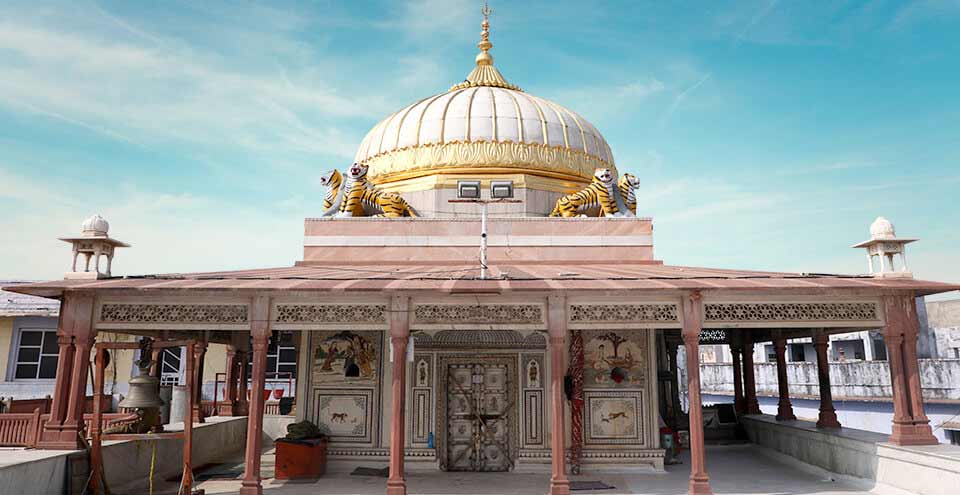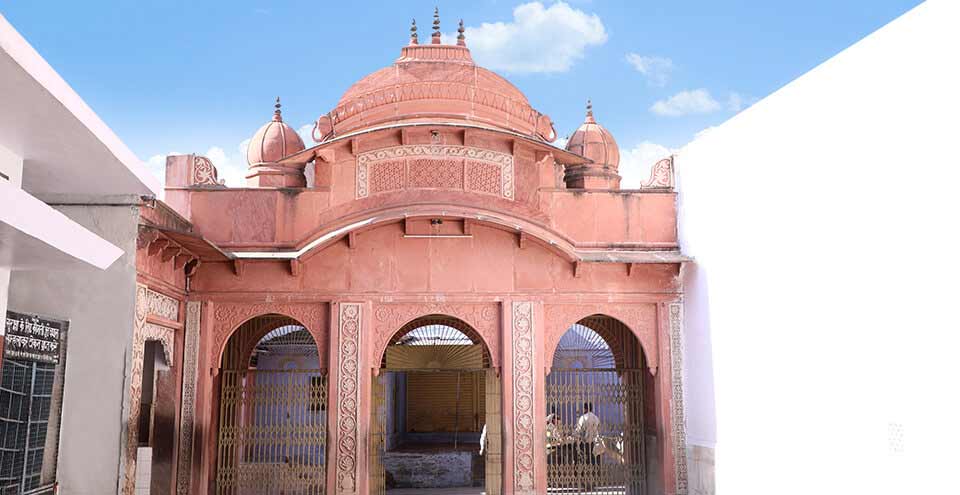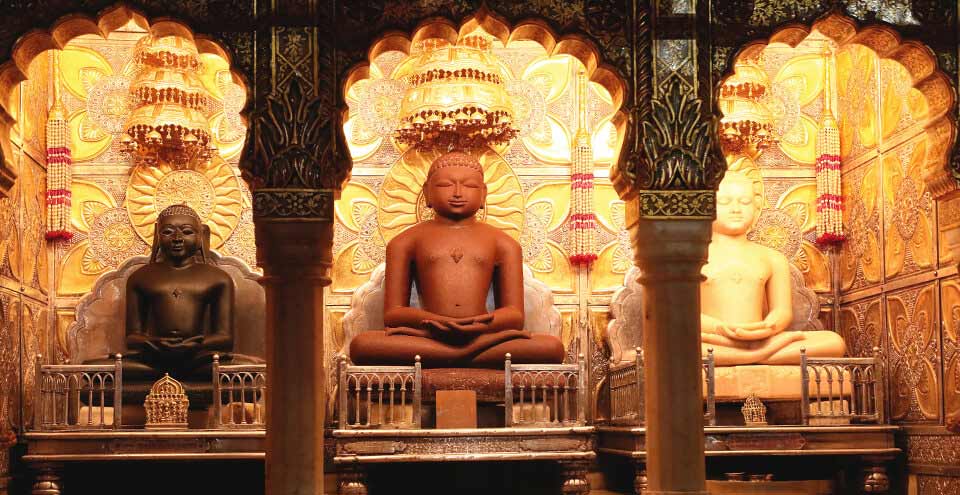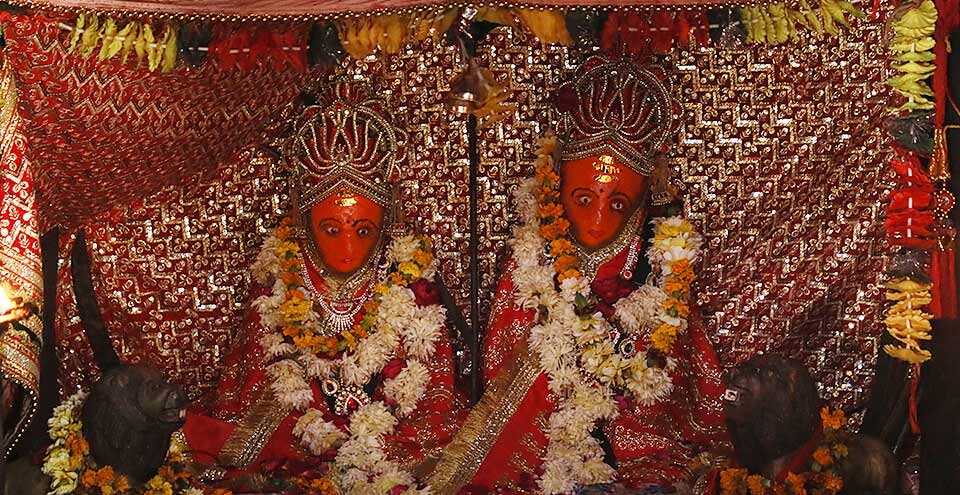

Karauli Gufa Temple, also known as Gufa Wali Mata, is a sacred cave temple associated with Kaila Devi in Karauli, Rajasthan. Rajasthan Tourism describes it as a cave shrine located amid the dense forest region associated with Ranthambore and says it is traditionally believed to be the original temple of Kaila Devi.
The temple is especially important for devotees visiting the Kaila Devi pilgrimage area. According to Rajasthan government sources, devotees have traditionally walked several kilometres to reach the shrine for darshan. Because the temple lies in a forested area, visitors are advised not to venture into the surrounding forest on their own.
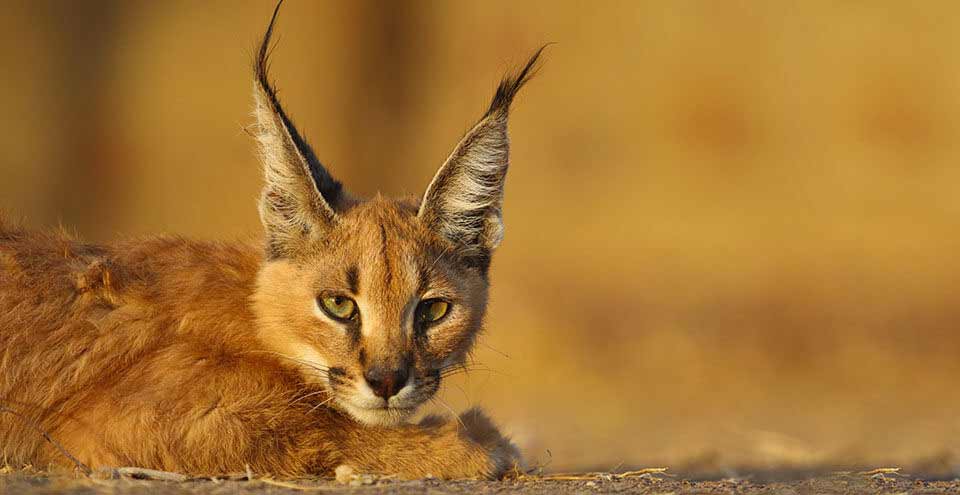
The journey to Gufa Temple is different from visiting the main Kaila Devi Temple. It combines religious devotion with a rugged natural setting, making it an interesting addition to a Karauli pilgrimage itinerary. The surrounding region is known for forests, hills and wildlife, so appropriate caution is important.
Best Time to Visit: Rajasthan Tourism recommends September to March as a suitable period for visiting Karauli and its attractions.
Location: Karauli district, Rajasthan, near the Kaila Devi pilgrimage area.
Nearby Attraction: Kaila Devi Temple — the main Kaila Devi shrine is an important pilgrimage destination in the region. The district administration notes that the main temple is about 24 km from Karauli.
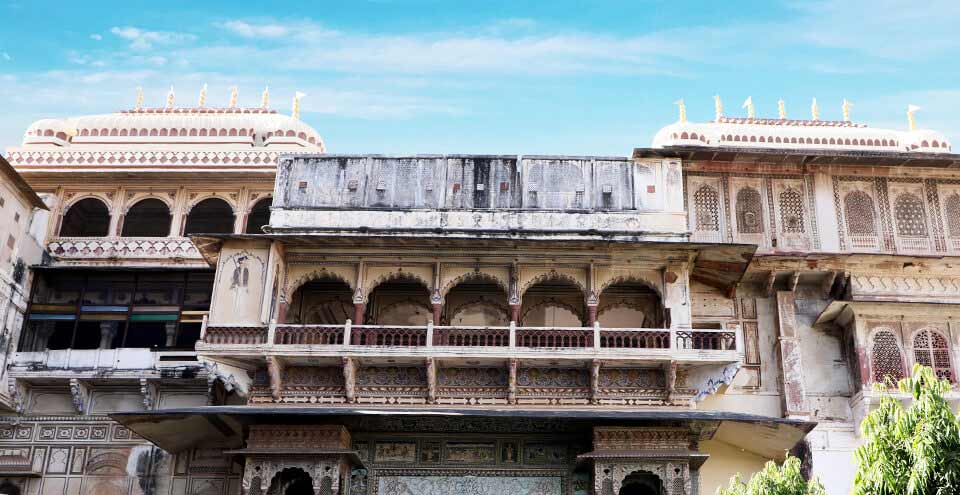
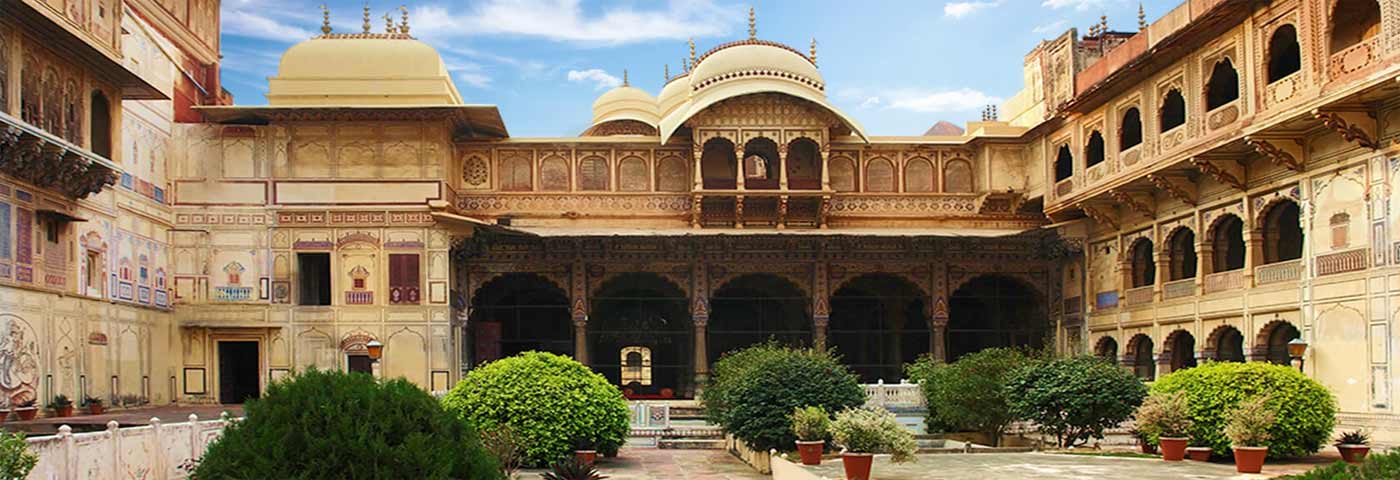
Monuments in Karauli The small city of Karauli that has recently caught the attention of tourists is an exquisite home to well decorated havelis, peaceful shrines, picturesque views and imprinted chhatris that dot the entire city. This beauty of a place in Rajasthan shares its borders with the heart of India, Madhya Pradesh and is surrounded by Dausa, Dholpur and sawai Madhopur in Rajasthan. This city resonates with Mughal architectural panache and is world renowned for its pale red sandstone that surrounds the entire city with strong and sturdy wall. Apart from its royal history, Karauli offers its visitors a rural and tranquil ambience with warm and hospitable behaviour, echoing the true old Rajasthani culture