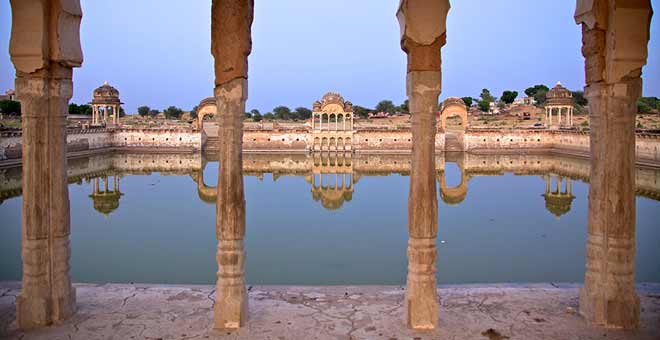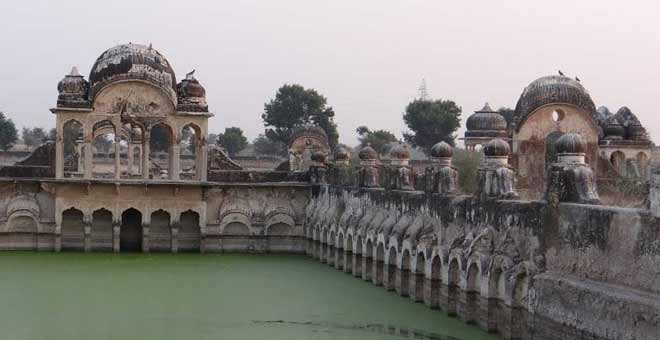

Sethani Ka Johara is a historic water reservoir located near Churu in Rajasthan and is an interesting example of the traditional water conservation system of the Shekhawati region. Built during the late 19th century, the johara reflects the importance of community water sources in the dry landscape of Rajasthan. Surrounded by open countryside, trees, and desert vegetation, it offers visitors a peaceful setting away from the busy streets of Churu.
The word “Johara” refers to a traditional water reservoir or pond. In Rajasthan, such water bodies played an important role in collecting and storing rainwater. Sethani Ka Johara was created when water was a precious resource and local communities depended on carefully designed reservoirs for their everyday needs. The structure represents the practical knowledge and social responsibility associated with traditional Rajasthani architecture.
History of Sethani Ka Johara
Sethani Ka Johara is traditionally associated with a wealthy merchant family from the Churu region. It was constructed as a charitable water project and served people and animals travelling through the surrounding area. During the period when Churu and other Shekhawati towns developed as important trading centres, merchants often contributed to public buildings, wells, temples, stepwells, and reservoirs.
The johara is therefore more than a water-storage structure. It represents the tradition of philanthropy and public welfare that became an important part of Shekhawati’s history. Wealthy merchant families invested in facilities that benefited local residents, travellers, and livestock.
Architecture and Natural Setting
Unlike the richly decorated havelis for which Shekhawati is famous, Sethani Ka Johara is primarily valued for its functional design and historical importance. The reservoir blends naturally into the surrounding landscape. Its broad water body and open surroundings create a striking contrast with the dry environment of the Churu region.
The area around the johara can also attract birds, particularly when water is available. The combination of water, vegetation, and open land creates a small ecological space in an otherwise arid landscape. For photographers and nature lovers, the location can provide opportunities to capture traditional Rajasthan scenery.
Importance of Traditional Water Conservation
Rajasthan receives limited rainfall in many areas, making water conservation essential. Traditional systems such as joharas, tankas, wells, and stepwells were developed to make the best use of seasonal rainfall. Rainwater could be collected and stored for use during dry periods.
Sethani Ka Johara provides a useful example of how historical communities adapted to the region’s climate. These structures demonstrate that architecture in Rajasthan was not only about forts and palaces but also about practical solutions to environmental challenges.
Best Time to Visit
The most comfortable period to explore Churu and the surrounding Shekhawati region is generally from October to March, when temperatures are more pleasant for sightseeing. Early morning and late afternoon are particularly suitable for photography because of the softer natural light.
During summer, temperatures can become very high, so visitors should carry drinking water, wear comfortable clothing, and avoid spending long periods outdoors during the hottest part of the day.
How to Reach Sethani Ka Johara
Churu is well connected with other major cities of Rajasthan by road and rail. Visitors can reach Churu from Jaipur, Bikaner, Delhi, and other nearby destinations. From Churu town, Sethani Ka Johara can be reached by local transport or private vehicle.
For travelers exploring Shekhawati, visiting the johara by car is convenient because several heritage attractions are spread across different towns and villages.
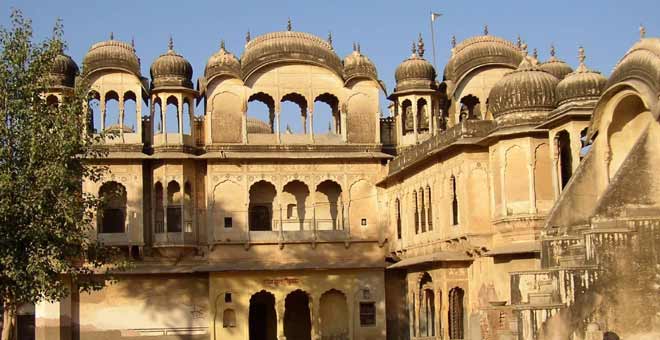
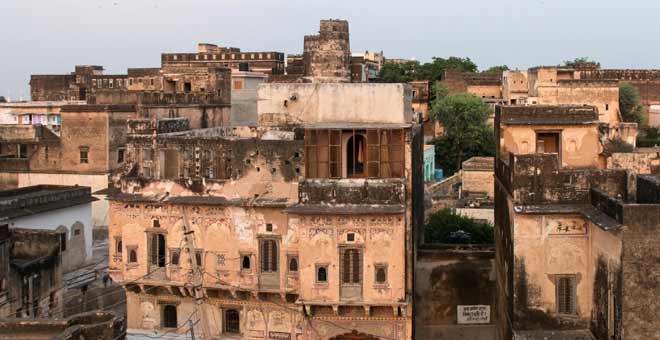
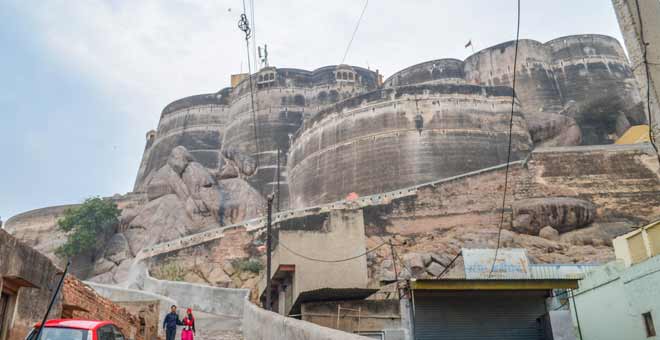
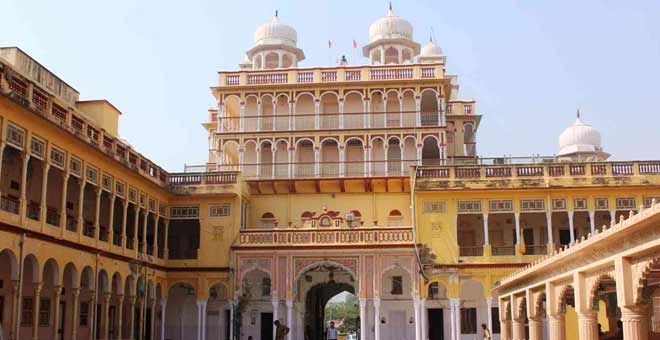
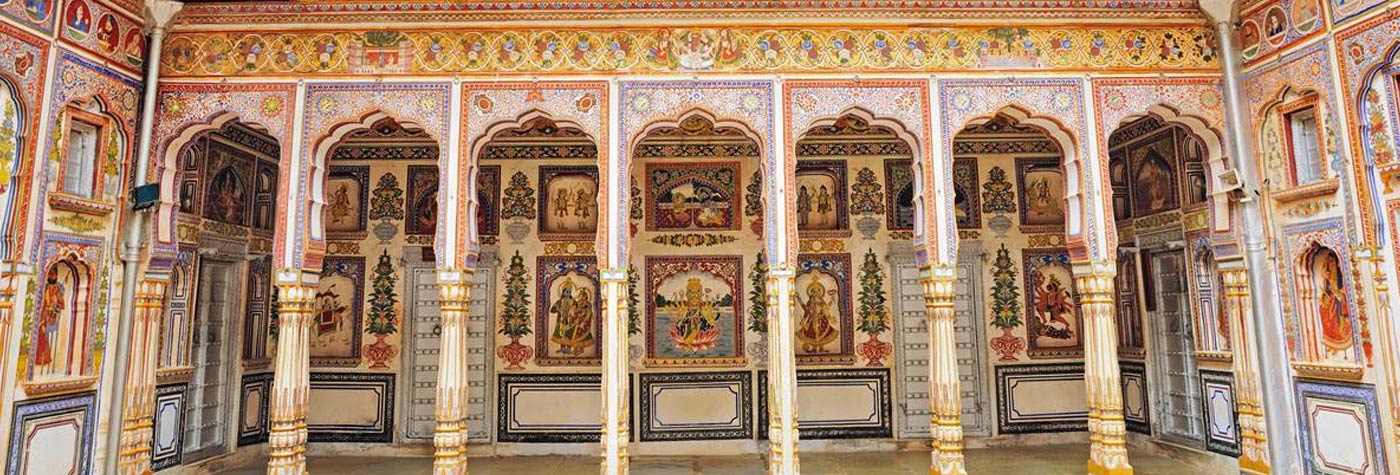
Monuments in Shekhawati, The realm of lovely havelis, harking back to the yester years, epitomizes the beauty of Shekhawati – a region that comprises of Sikar, Jhunjhunu and Churu. It is a major landmark tourist destination of colourful Rajasthan. Once the bastion of Rao Shekha, this magnificent land, located on the North of Rajasthan, derives its nomenclature from the former. Shekhawati Tourism is a tourist's paradise. The land is laced with innumerable beautiful havelis or grand mansions that are guaranteed to capture one's imagination. It is a haven for a true connoisseur of art and architecture. A riot of colours encapsulates the spirit of this vibrant landscape. Exquisitely embellished havelis mushroomed during the eighteenth century and former half of the twentieth. Mythology and fauna lies at the very core of this wonderful art. Tales narrating the valour of Lord Rama and the miracles of Lord Krishna unfold on a journey of these marvellous mansions. The region also houses towering forts, baoris, and shrines, besides the ubiquitous havelis.